
California Warrant Records
California warrant records show active arrest warrants and bench warrants issued by Superior Courts across the state. Each of the 58 counties in California keeps its own warrant files. You can search for warrants through county Sheriff's Offices or court systems. Some counties offer online warrant search tools. Others need you to call or visit in person. The state does not keep a single database that covers all of California. You must check with each county where you think a warrant may exist.
California Warrant Records Quick Facts
What Are Warrant Records in California
A warrant is a court order that tells law enforcement to arrest someone. Judges issue warrants when a person fails to show up to court or when police have cause to believe a crime took place. California has two main types of warrants. Arrest warrants come from criminal cases. Police ask a judge to issue one when they have proof a crime was done. Bench warrants happen when you miss a court date. The judge orders your arrest right from the bench.
California Penal Code section 978.5 covers how bench warrants work in the state. A judge can issue a bench warrant if you do not show up as told. This can be for any case type. Traffic tickets, small claims, or big crimes all can lead to bench warrants. Once a warrant is out, any cop in California can arrest you. The warrant stays active until you deal with it in court or it gets pulled back by a judge.
Arrest warrants fall under Penal Code sections 813 through 829 in California. These laws spell out how police get a warrant and what it must say. An officer writes up facts that show a crime took place. A judge reads it and signs the warrant if there is enough proof. The warrant lists your name, the charge, and the bail amount. Bail is what you pay to get out of jail while your case goes on.
The California Department of Justice keeps track of your arrest records. They hold files on anyone who has been booked into jail or had prints taken. You can ask the DOJ for a copy of your own file. It costs $25 to get your criminal history from the state. The DOJ Record Review page at oag.ca.gov/fingerprints/record-review shows how to submit fingerprints and request your own criminal history summary.
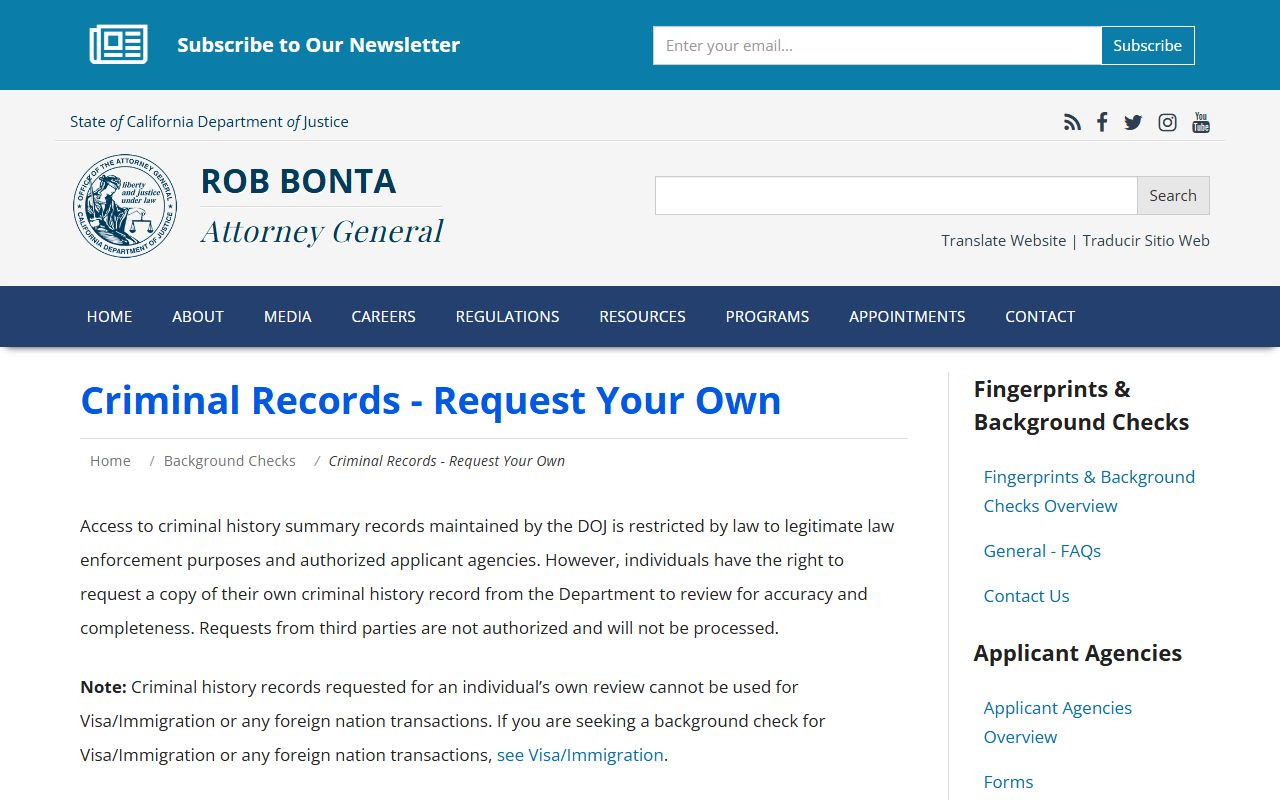
Call the Record Review Unit at 916-227-3849 if you have questions about the process or fees.
No Statewide Warrant Search in California
California does not have one big database for warrants. There is no single site where you can look up all warrants in the state. Each county runs its own system. Los Angeles County does not share data with San Diego County. What happens in Fresno stays in Fresno records. This makes it hard to search if you do not know which county issued a warrant.
The California DOJ holds criminal records but does not give out warrant info to the public. Their system is for law enforcement use only. Under Penal Code section 11105, the DOJ can share files with police but not with you. The DOJ FAQ page at oag.ca.gov/fingerprints/faq states that criminal history records are not subject to the California Public Records Act and access is restricted to law enforcement only.
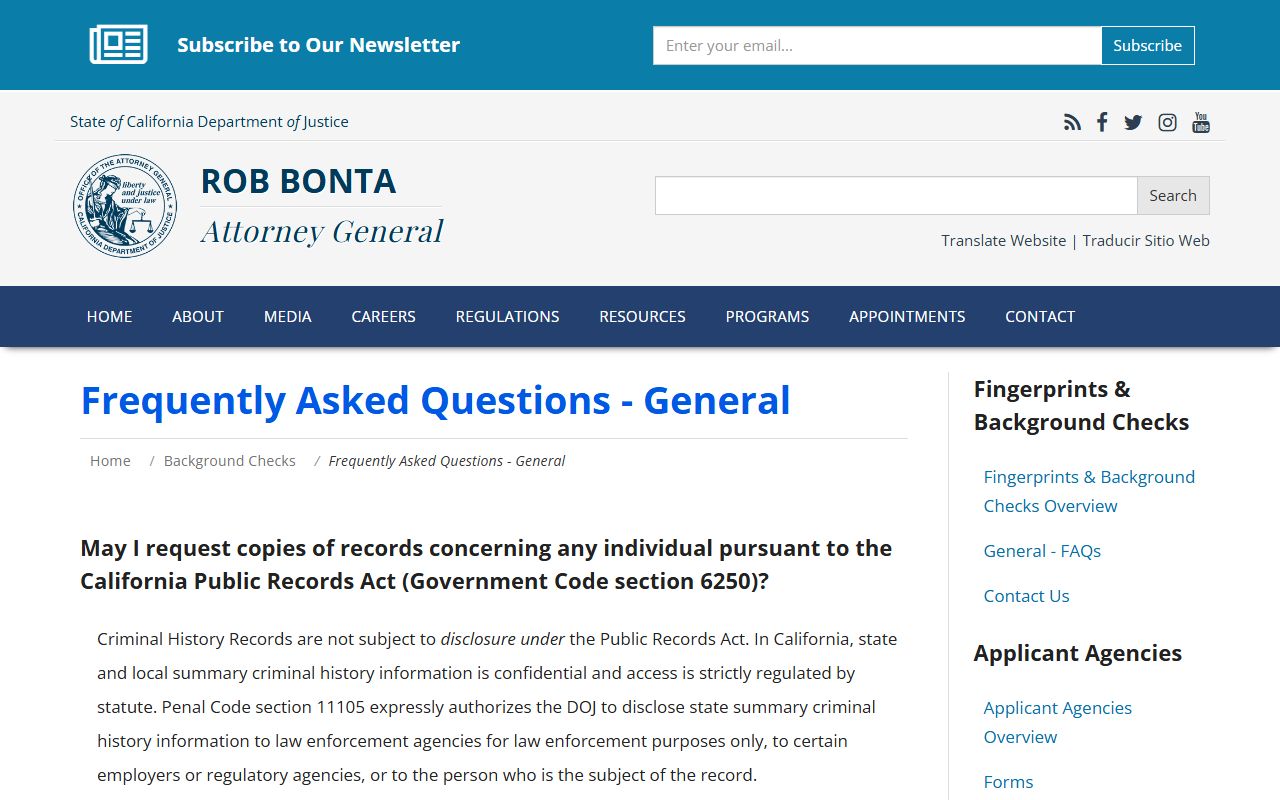
If you want to know if you have a warrant, you must ask a county Sheriff or court directly.
Some help sites claim to search all of California for warrants. These are third party services. They may charge you a fee and pull from old data. The only sure way to check is through official county sources. We list those sources for each county on this site. Pick your county below and find the right office to call or visit in person.
Note: Online search tools exist in only seven California counties as of now.
Counties With Online Warrant Searches
A few counties in California let you search warrants from home through their website. The California courts self help page at selfhelp.courts.ca.gov explains how to look up court cases in the state and notes that you cannot find case info on their site because each county keeps its own records.
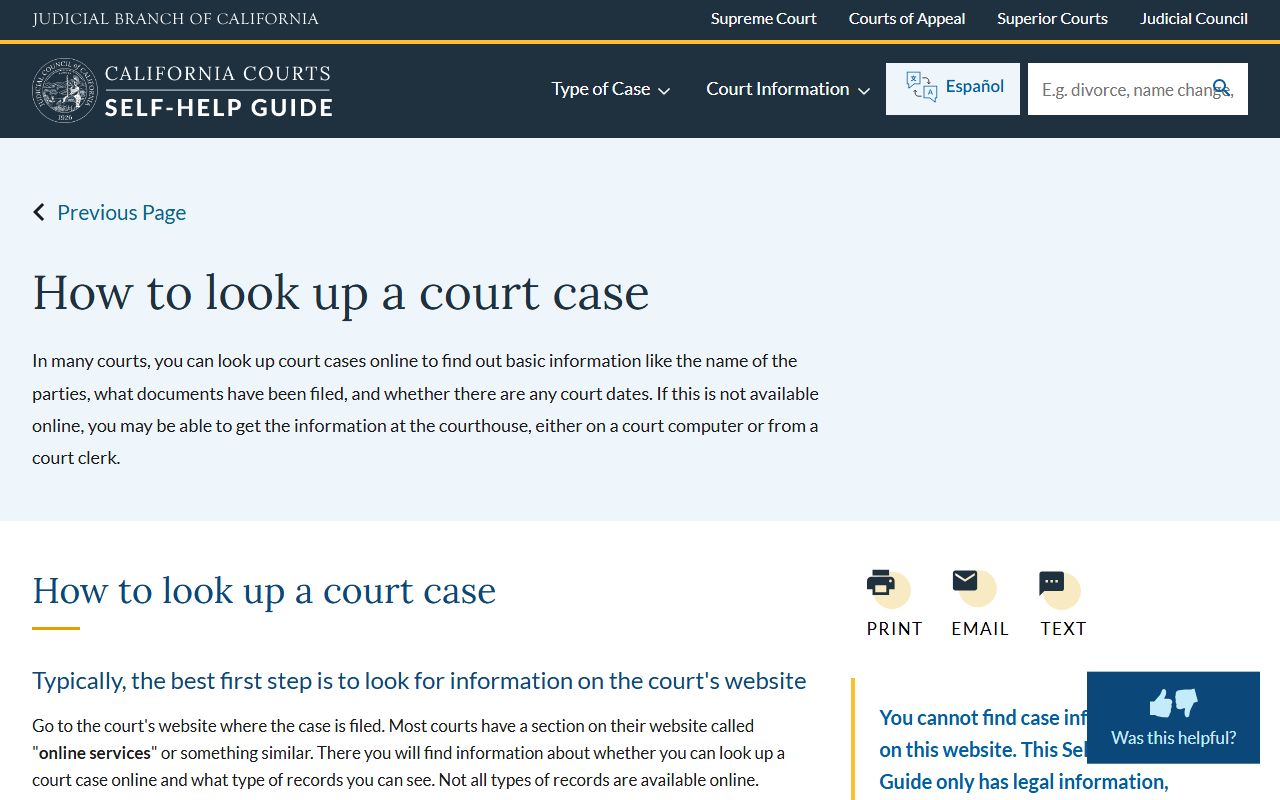
Most courts have an online services section where you can check case info, but some criminal records are limited to protect privacy.
Marin County runs a warrant search tool at apps.marincounty.gov/warrantsearch where you can type in a name and see if there is a warrant. You need the full last name and at least the first letter of the first name. If a warrant shows up, you can call Marin County Superior Court at 415-444-7070 to deal with it. The site warns not to try to make an arrest based on what you find there.
Napa County also has an online search at services.countyofnapa.org/warrantsearch for most warrants from the Napa County Superior Court. Warrants before January 1, 2006 may not be in the system. You can call the Sheriff Warrants Bureau at 707-253-4209 if you have questions about a Napa County warrant.
Other counties with online warrant tools are Santa Cruz, Orange, San Diego, Lake, and Nevada. We cover all of these in our county pages below. Each tool works a bit different. Some need a date of birth. Some let you search by name only. Check the county page for the one you need to find out how their system works.
How to Check for Warrants in California
Most counties in California make you call or visit in person to check on a warrant. The Sheriff Office is often the best place to start. Sheriffs keep warrant files for their county. Some will tell you over the phone if you have a warrant. Others need you to come in with a photo ID. Contra Costa County says on their site that they do not give warrant info to the public. You must ask the court or your local police in that county.
If you go in person, bring your ID. Tell the clerk you want to check if you have any active warrants. They will look you up in their system. This takes a few minutes. If you do have a warrant, be ready for what comes next. Some warrants let you post bail and leave. Others mean you get arrested on the spot. It depends on the charge and the bail amount set by the judge.
San Francisco lets you visit the Criminal Records Window at 850 Bryant Street, Room 460 from 8 a.m. to 5 p.m. on weekdays. You show your ID and ask for a warrant check. But they warn you that if your warrant is for a crime that is not citable, you may be arrested right there. So think hard before you walk in if you know you missed court.
For traffic warrants, many courts have a separate process. You can often call the court clerk and ask about traffic bench warrants. In some counties you can pay the fine over the phone and clear the warrant without ever going to jail. San Joaquin County says you can come to their Records Division at 7000 Michael N. Canlis Blvd in French Camp and show your ID to get a warrant check. Call them at 209-468-4408 if you want to ask first.
Some counties list active warrants on their website but do not let you search by name. Humboldt County posts a list of all adult warrants at humboldtgov.org/2215/Warrants so you can look through it yourself. Bakersfield Police post wanted warrant suspects on their page. These lists help but are not as fast as a name search tool.
Clearing Warrants in California
If you find out you have a warrant, you have a few options. You can turn yourself in. You can post bail. Or you can ask the court for a hearing to recall the warrant. Each choice has pros and cons.
Turning yourself in means you go to the Sheriff or the court and tell them you are ready to deal with the warrant. Many counties have a clear warrant calendar where you show up early in the morning and see a judge the same day. San Luis Obispo County has a helpful page at slo.courts.ca.gov/self-help/criminal-law/warrants that lists all your options. They say you can post bail, turn yourself in to police, or come to court for a court surrender.
San Mateo County wants you to check in at the criminal clerk office no later than 9 a.m. on weekdays if you want to be seen the same day. Their Southern Branch is at 400 County Center, 4th Floor in Redwood City. The Northern Branch is at 1050 Mission Road in South San Francisco. You can call 650-261-5100 and press option 1 for more info on how to clear a warrant in San Mateo County.
Sonoma County hears clear warrant calendars at 8:30 a.m. for felony cases and 9:30 a.m. for misdemeanors. You must show up at 8 a.m. to get on the list. Their Hall of Justice is at 600 Administration Drive, Room 105J in Santa Rosa. Call 707-521-6620 if you need to ask about the process first.
Bail is cash you put up to get out of jail. If your warrant lists a bail amount, you can pay it at the court or at a bail bond office. Cash bail means you pay the full amount. A bail bond costs you 10 percent and a bondsman covers the rest. Once bail is posted, the warrant is put on hold and you get a new court date. If you skip that date, you lose your bail and get a new warrant.
Some warrants say no bail. This means you cannot pay to get out. You have to stay in jail until your hearing. No bail warrants are for serious crimes or when the judge thinks you are a flight risk. In those cases, your only option is to turn yourself in and wait for your day in court.
California Laws About Warrants
Several state laws control how warrants are issued and served in California. Penal Code section 978.5 at leginfo.legislature.ca.gov covers bench warrant procedures and when they can be issued by Superior Court judges.
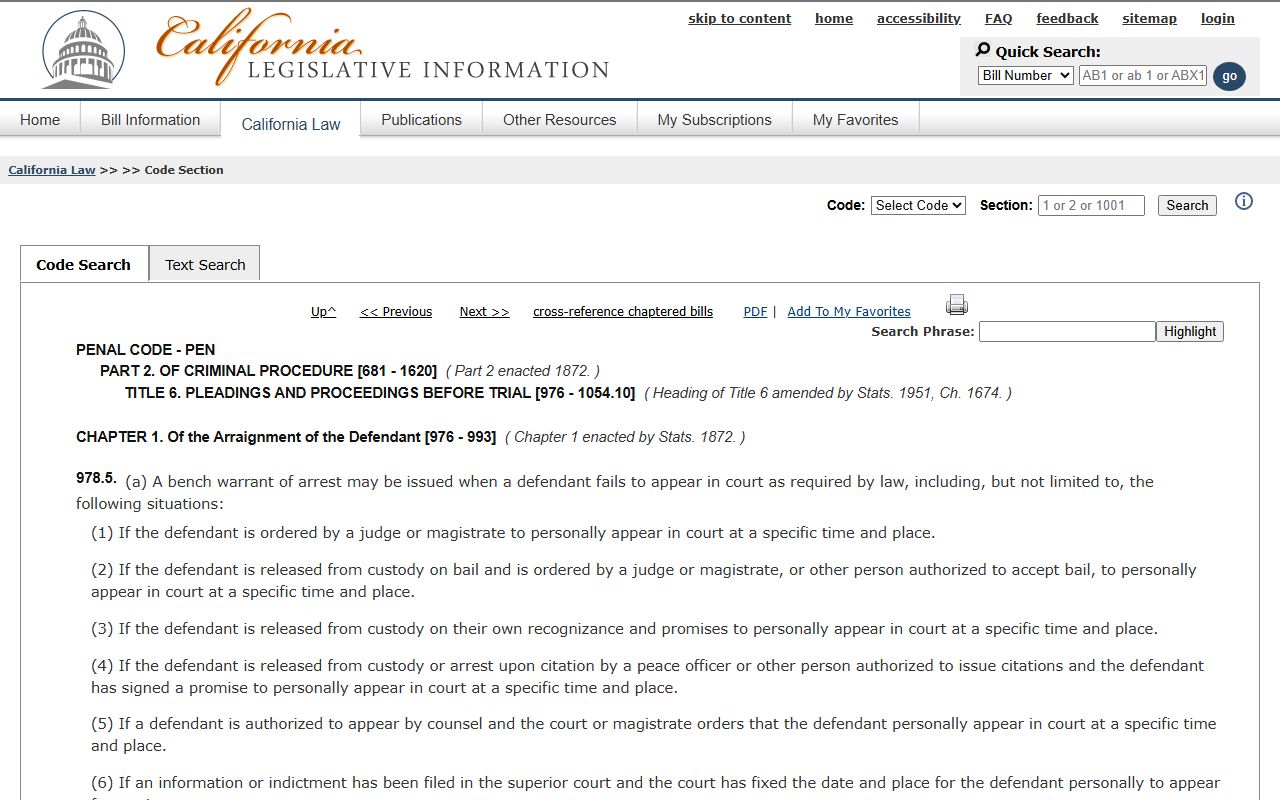
This law says a bench warrant can be issued when you fail to show up as told by a judge for any court ordered appearance.
Penal Code section 166 makes it a crime to willfully disobey a court order. This is called contempt of court. If you skip a hearing you were ordered to attend, you can be charged with contempt on top of whatever the original case was about. The law is at leginfo.legislature.ca.gov and it spells out the penalty for contempt as a misdemeanor in most cases.
For traffic cases, Vehicle Code section 40508 at leginfo.legislature.ca.gov makes it a misdemeanor if you fail to show up for a traffic ticket. You sign a promise to appear when you get a ticket. If you break that promise, you can be charged with a new crime. Vehicle Code section 40515 says the court must give you 20 days notice before they issue a warrant for a missed traffic court date.
California Public Records Act rules are in Government Code sections 7920 through 7931. You can read them at leginfo.legislature.ca.gov to see what records are open to the public. Criminal records are carved out from the Public Records Act. Penal Code sections 11120 through 11127 give you the right to ask for your own criminal file and to challenge it if it is wrong.
Browse California Warrant Records by County
Each county in California has its own Sheriff Office and court system that handle warrants. Pick a county below to find local contact info and warrant search options.
View All 58 California Counties
Warrant Records in Major California Cities
Residents of major cities deal with warrants through their county Sheriff or local police. Pick a city below to learn about warrant records in that area.